.png)
How can we cool down an overheating town, improve water quality, and strengthen the stability of the landscape at the same time? The RUR project team is testing specific solutions directly in the field. The spring season brings the first visible results and reliable data.
The blue-green infrastructure team is entering a new phase. It is translating the findings of its winter surveys into concrete actions on the ground. It is working on a smaller scale directly in and around local communities. And it is seeking solutions that are effective, sustainable, and transferable to other locations.
Cool the town from the inside
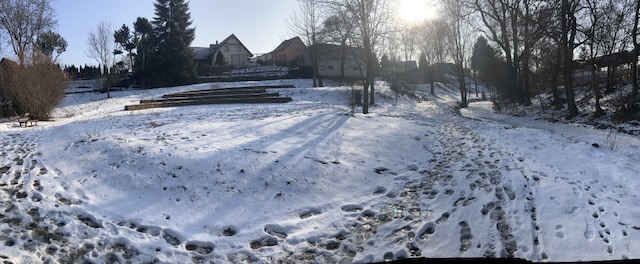
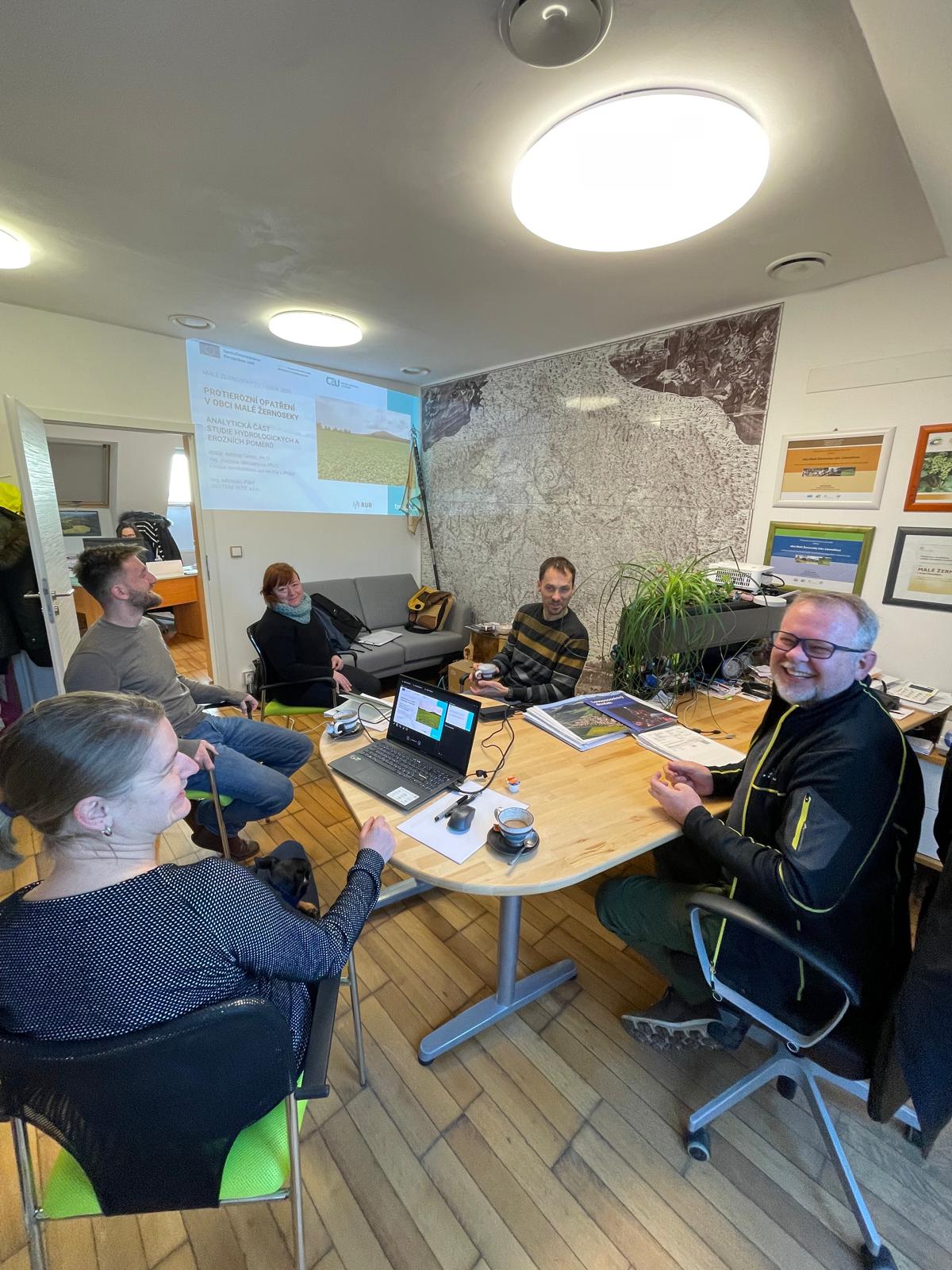
Preparations for expanding the blue-green infrastructure are underway in Malé Žernoseky. The plan calls for the creation of small water bodies that will help cool the built-up area and improve the microclimate in the village. Winter field surveys follow up on thermal monitoring, which will make it possible to precisely identify the areas with the highest temperatures under real-world conditions.
Aquatic Life as an Indicator of Stability
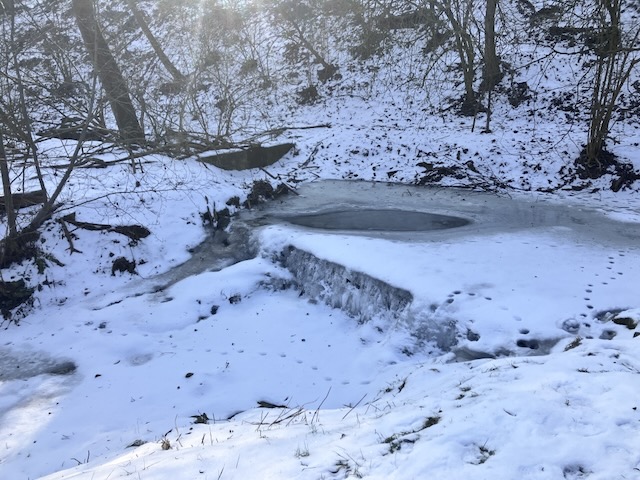
With the arrival of spring, the Opárenské Valley is also coming into the spotlight. The Milešovský Stream is set to undergo a biological survey focused on aquatic ecosystems and biodiversity. As soon as conditions permit, work will begin on mapping species diversity and the state of the environment, which is essential for the long-term stability of the landscape.
A Wastewater Treatment Plant Powered by Plants
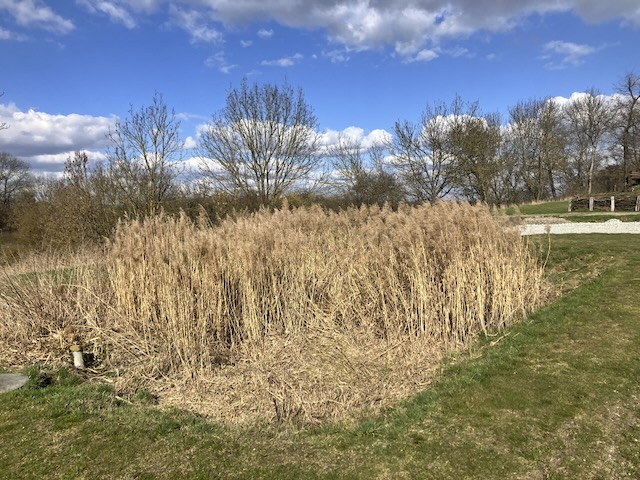
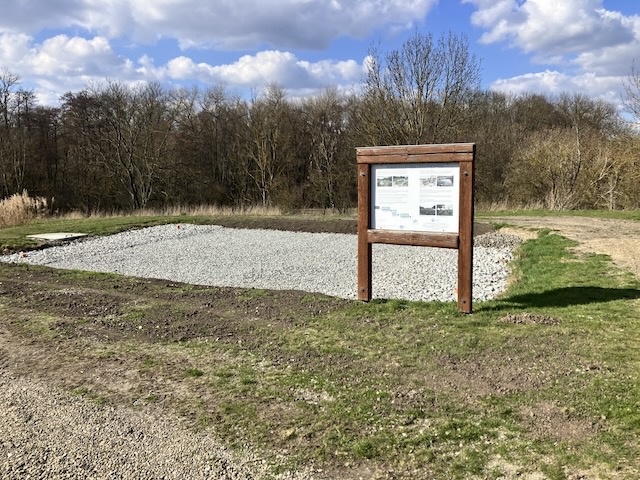
In Kostelec nad Ohří, preparations are underway for a constructed wetland wastewater treatment plant. One of the filtration fields will undergo revitalization, which involves removing old biomass and promoting new vegetation. The second field will undergo a complete replanting. Healthy vegetation is a key factor in both the treatment efficiency and the stability of the entire system.
Where Water Is Disappearing and How to Retain It
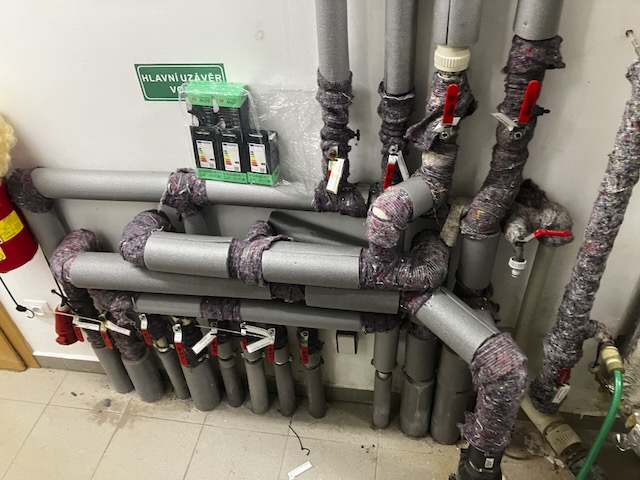
At the turn of 2025 and 2026, work on the water audit of the Dvůr Perlová voda site also intensified. Detailed mapping of the extensive distribution network is essential for designing measures that will lead to water savings and increased operational safety. In this process, the details matter: every valve and every pipe.
At first glance, small-scale interventions, such as ponds, vegetation, and adjustments to drainage systems, actually determine how municipalities will cope with heat and drought in the coming years. Experiences from these locations are therefore continuously tested in practice and shared with other municipalities facing similar situations. In many cases, relatively small, well-targeted steps are enough to begin seeing results.
You will find a photo gallery of each location attached below.