.png)
Plans for the future of the Vršany quarry are being addressed in a timely manner. People from the region will also have a say in how the landscape will look.
What will the landscape look like in the area of today’s Vršany quarry once coal mining comes to an end? The RUR project team — Region for the University, University for the Region — coordinated by the Faculty of Environmental Sciences at the Czech University of Life Sciences in Prague, is beginning to seek an answer to this question.
Although mining is still ongoing at the quarry, experts believe it is crucial to start thinking about the area’s future now. Experience from other parts of the Most Basin shows that early preparation for the transition from mining to a new land use significantly increases the chances of a successful transformation of the area.
The project is therefore systematically gathering expert input while also engaging in discussions with regional stakeholders about what the Vršany quarry might look like and how it could be used in the future.
Land-use analysis as a basis for future decision-making
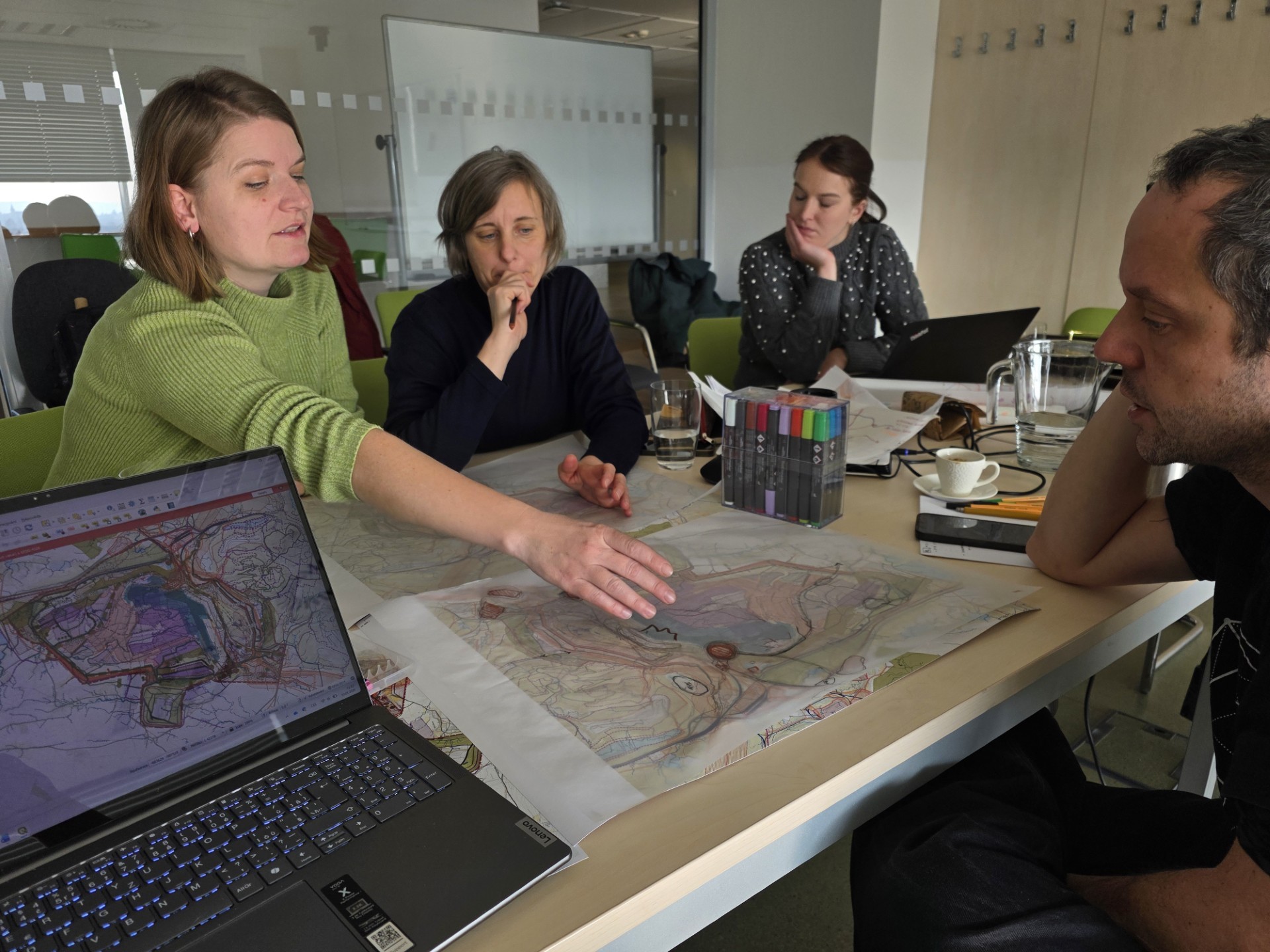
A multidisciplinary team of landscape architects, ecologists, biologists, urban planners, and landscape architects prepared a comprehensive analytical study of the area. Specialists in soil, climate, hydrology, and the social aspects of landscape transformation also contributed to the study.
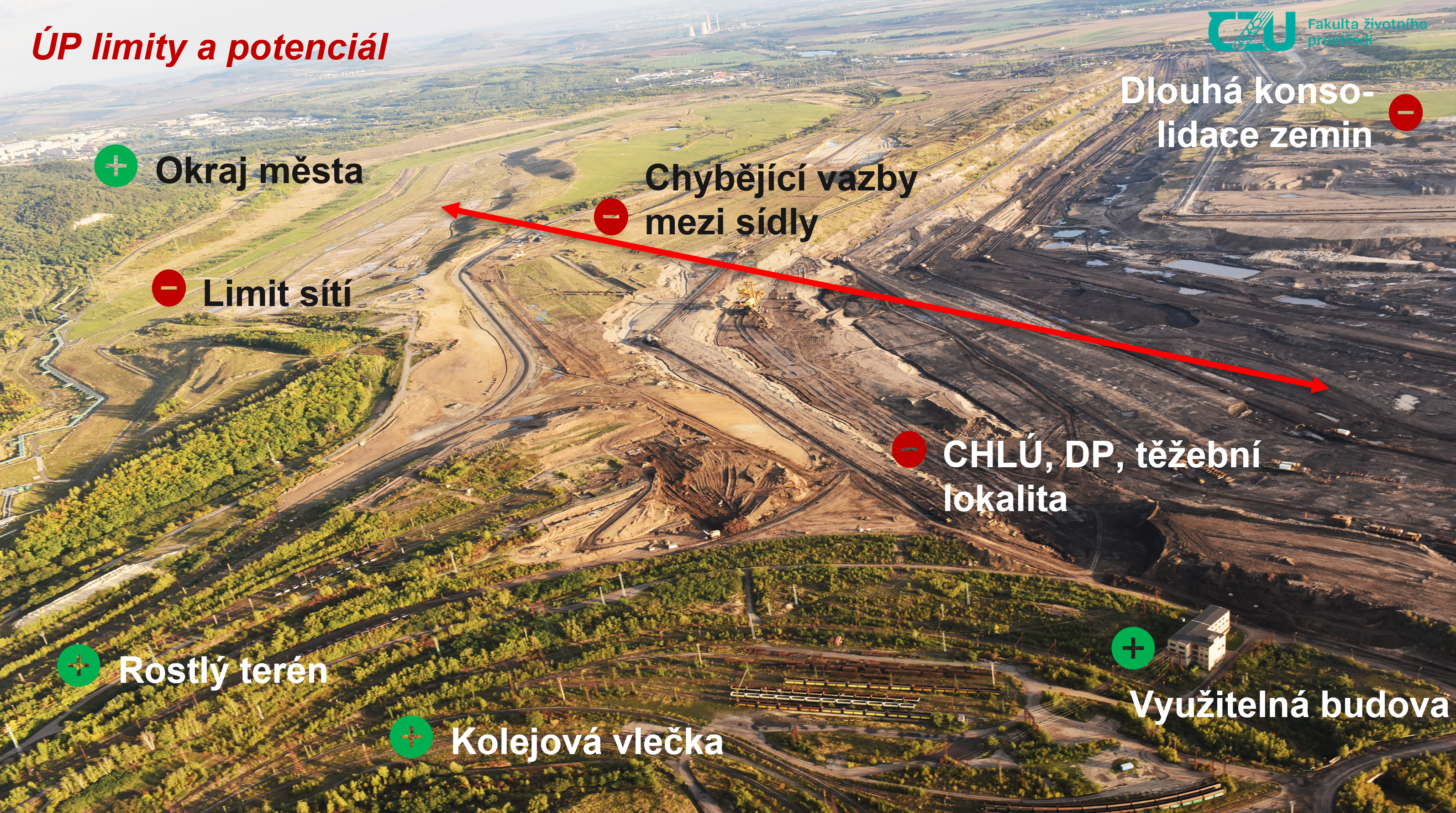
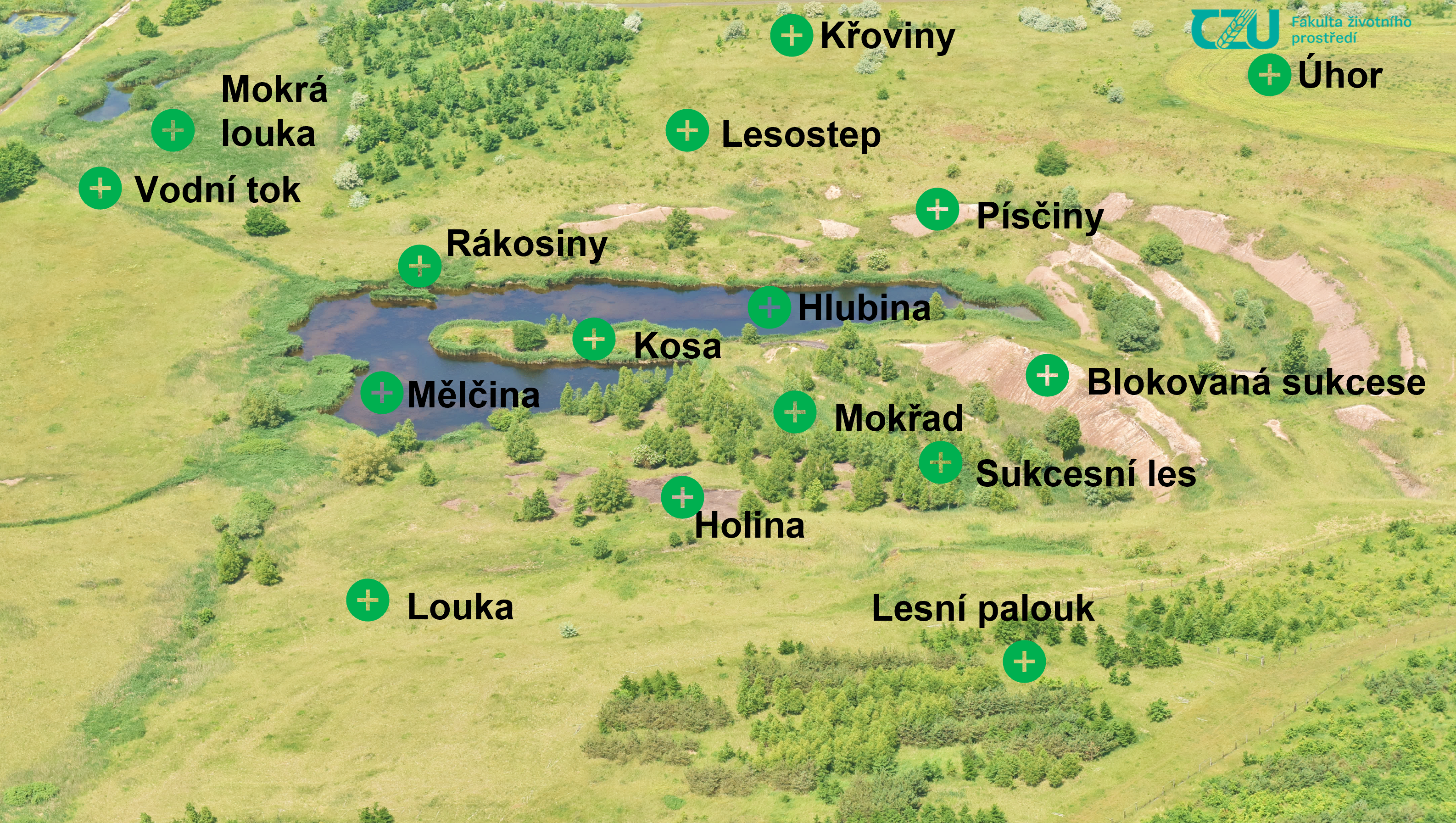
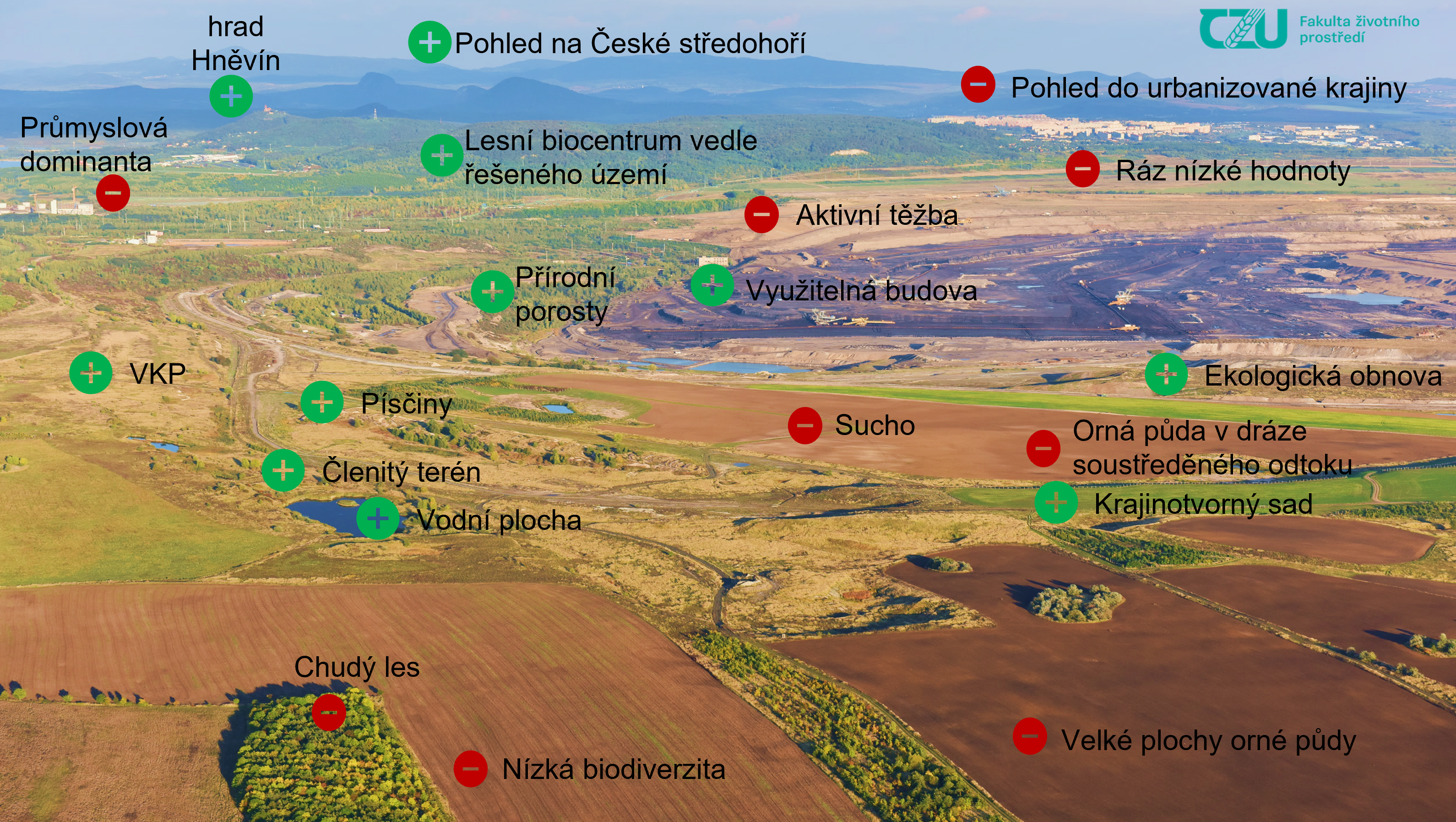
The analysis includes map data, identification of the area’s boundaries, its values, and its development potential. This information is intended to serve as a technical basis for further discussion on the future landscape — ranging from natural and recreational functions to potential economic uses.
A series of meetings with regional stakeholders
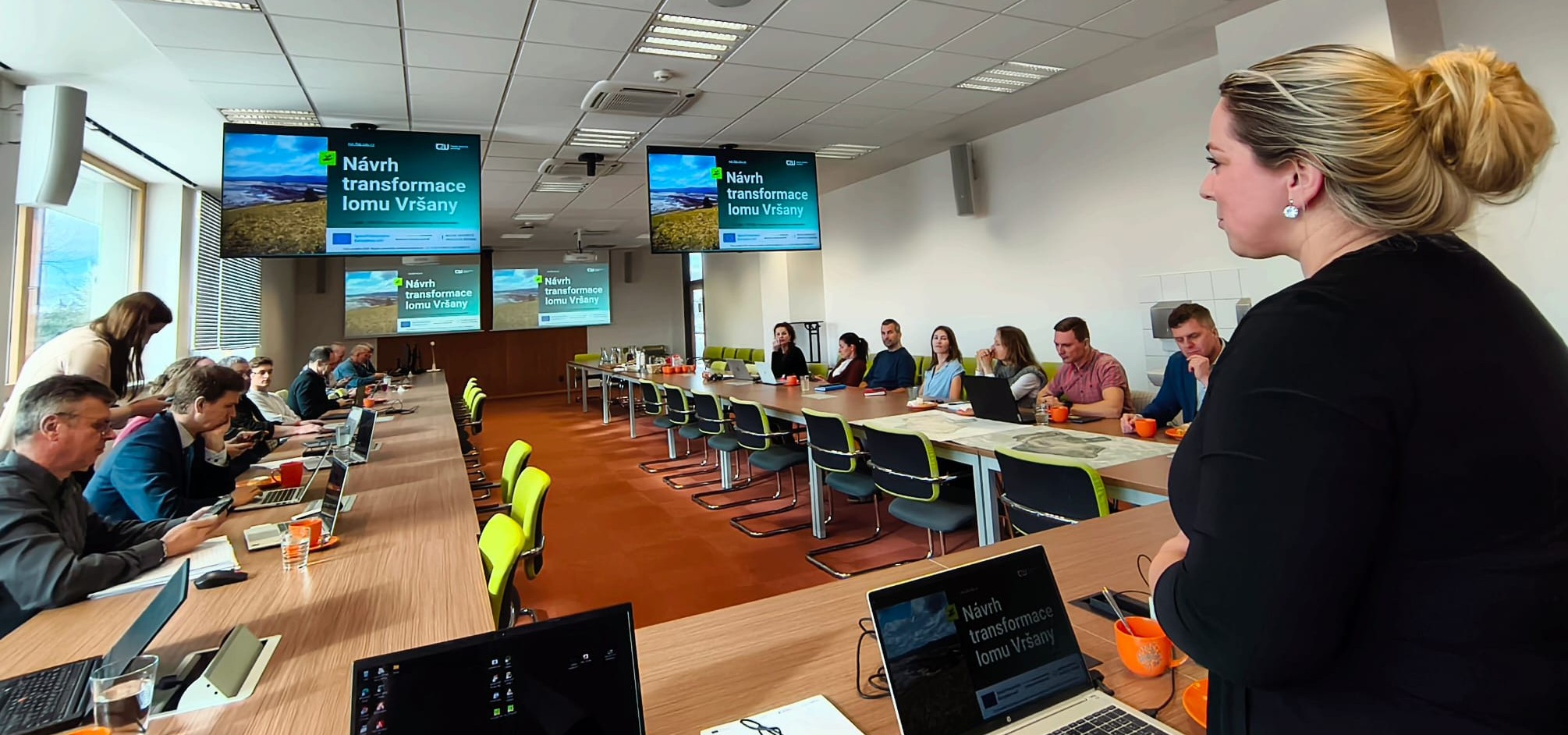
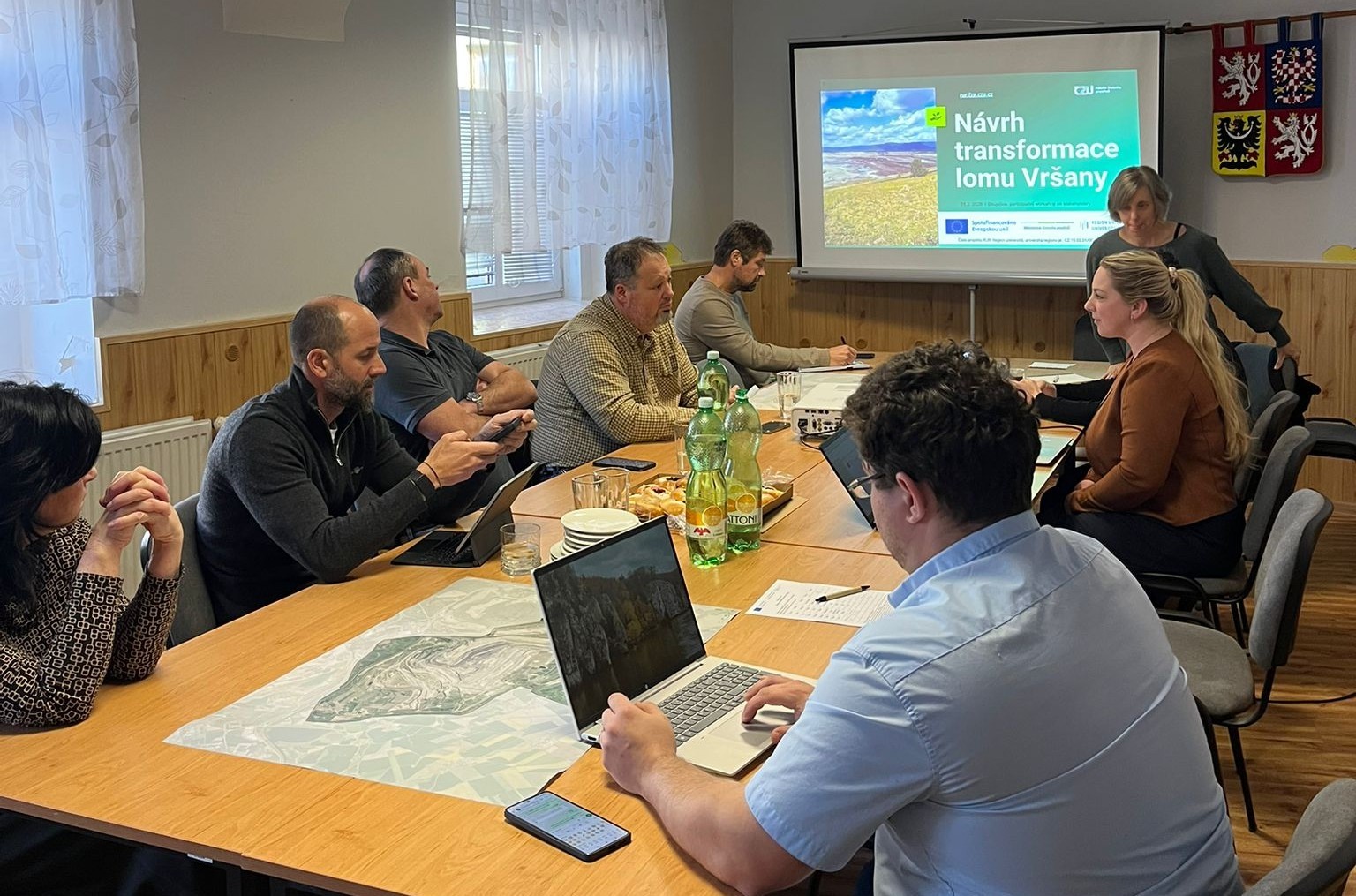
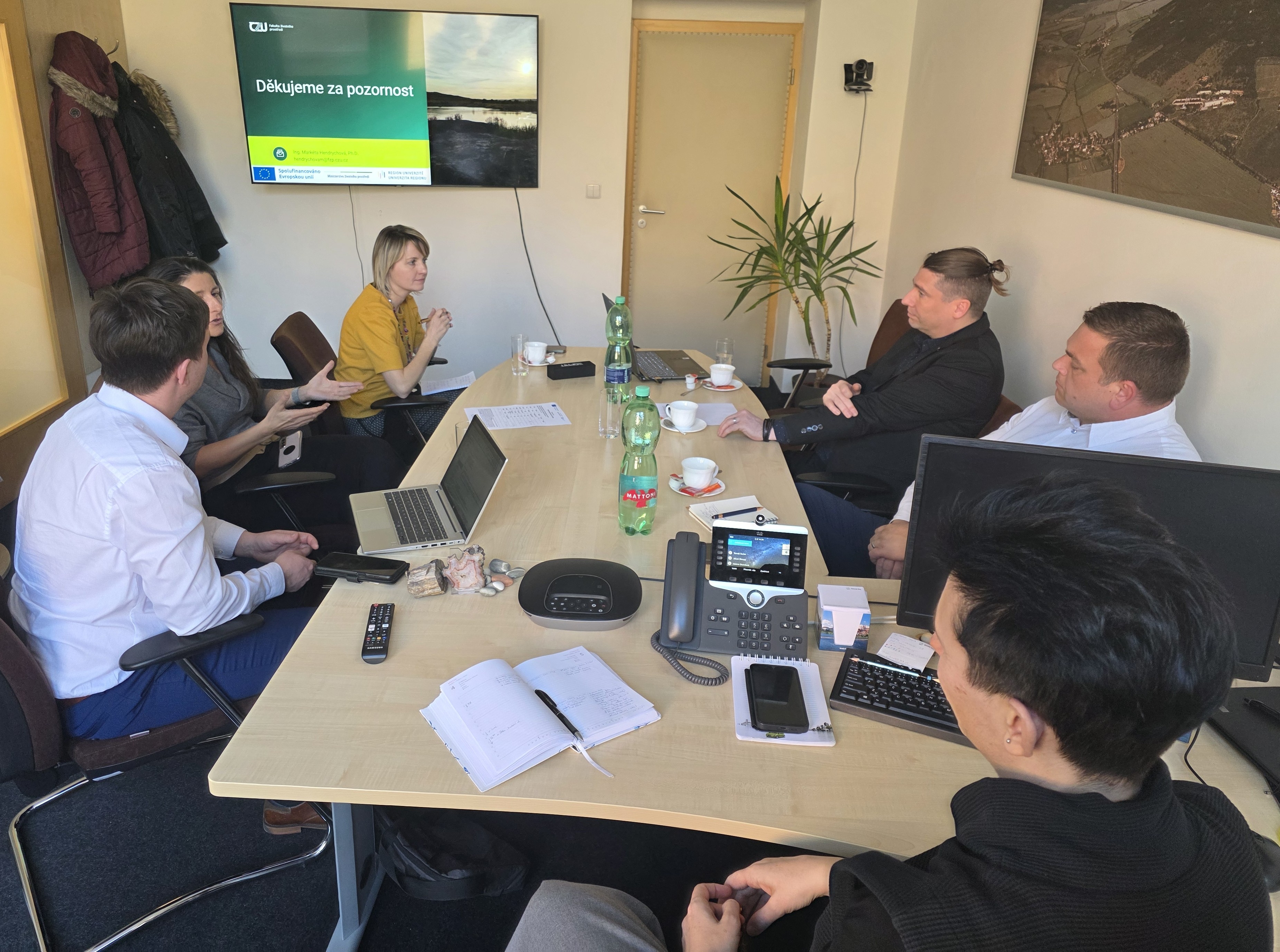
Over the past few weeks, four working meetings have been held, during which the project team presented the results of the analytical phase and gathered further input from institutions and organisations that have a connection to the area or are involved in decision-making regarding it.
More than forty representatives from public administration, specialised institutions, and major organisations operating in the region took part in the discussion. In attendance were mayors and representatives from the directly affected municipalities—Most, Malé Březno, and Strupčice—as well as representatives from nearby towns, such as Jirkov.
Experts from the Ústí nad Labem Regional Authority, the municipalities with extended powers of Most and Chomutov, and representatives of state institutions and organisations with a key interest in the area also participated, such as the Ohře River Basin Authority, ČEZ, Vršanská uhelná, Sev.en Inntech, the Nature Conservation Agency of the Czech Republic, Lesy ČR, the State Land Office, the National Heritage Institute, and the Road and Motorway Directorate. The meeting was also attended by the Governor of the Ústí Region.
It is precisely the views of the people who own, manage, or will use the area in the future that provide important input for further deliberations on its transformation.
Searching for the Future Shape of the Landscape
In the coming months, the project will continue to gather additional expert input and conduct consultations. Based on this input, design scenarios for the future use of the area will be developed.
The discussion will focus on topics such as:
- industrial and energy uses,
- nature conservation and the creation of new areas of natural value,
- filling of lakes,
- recreational and tourist activities,
- cultural and scenic sites.
The public will also participate in the discussion
The project team plans to involve the general public in the next phases as well. In the spring, a field trip to the quarry site will be organized for the participating stakeholders. In the fall, a larger workshop will be held, incorporating feedback from the public.
A new web interface will also be used to gather these opinions, offering interactive maps, 360° views of the landscape, visualizations of possible future development scenarios, and an online questionnaire for collecting public feedback.
The goal is to ensure that not only experts and institutions, but also people from the region who will be directly affected by the transformation of the landscape, can participate in shaping the future of the area.